


Many proponents of precious metals, particularly gold, have long been critical of Bitcoin’s (BTC) reputation as a safe haven. Gold’s centuries-old status as a reliable store of value is often contrasted with Bitcoin’s volatile price swings, which can resemble the unpredictability of a roller coaster. This comparison became even more relevant after recent events in the Middle East, which highlighted this difference. As one analyst observed, Bitcoin’s value dropped by 6% during a geopolitical crisis, while the price of gold soared.
Jesse Colombo, a seasoned precious metals analyst and investor, commented on this disparity in the context of heightened conflict in the Middle East. He noted that the turmoil was triggered when Iran launched over 180 ballistic missiles at Israel, the largest such attack in history. In response, Israeli Prime Minister Netanyahu vowed repercussions, escalating fears of an all-out war. Amid this backdrop, Colombo emphasized that while he hoped for a peaceful resolution, his article aimed to examine the performance of gold and Bitcoin during such crises.
Colombo’s primary goal was to evaluate these two assets, both often referred to as safe havens, and how they react under geopolitical stress. He provided a detailed analysis of their behavior during recent events, revealing a stark contrast in how gold and Bitcoin responded to the missile strikes. Colombo pointed out that as reports of the imminent missile launches surfaced at 9:32 AM EST, gold prices surged while Bitcoin’s value plummeted.
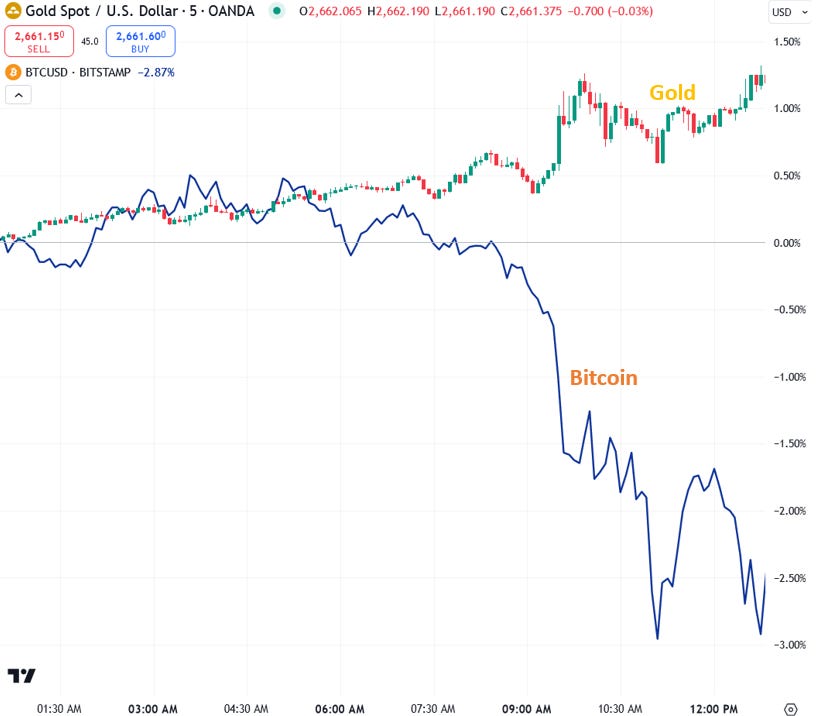
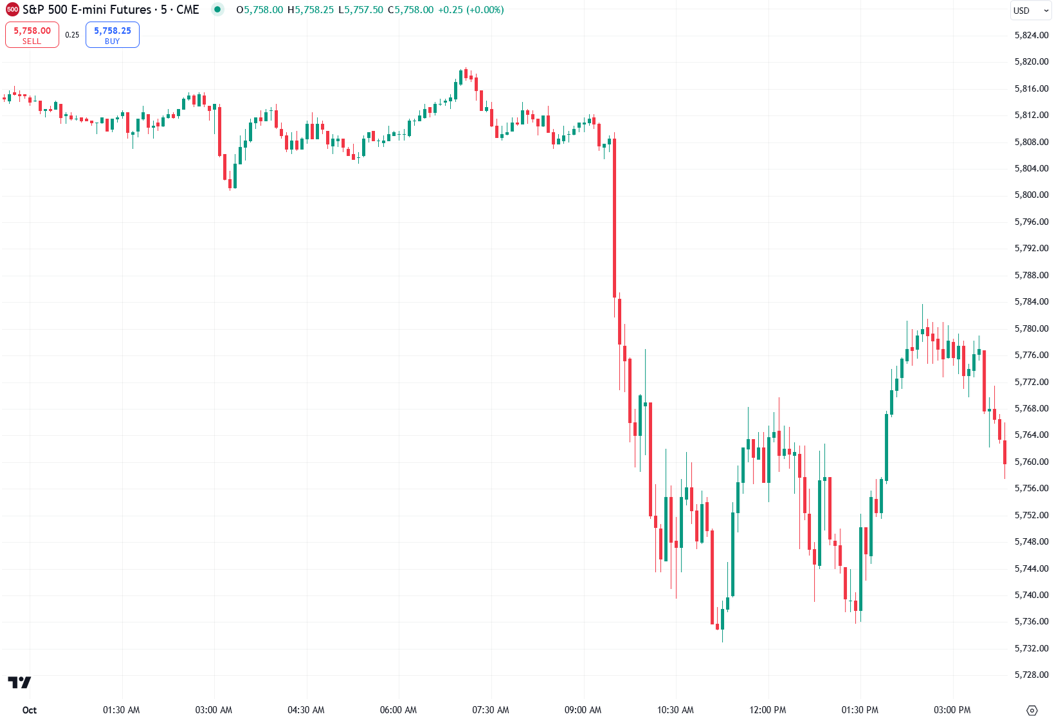
This price movement reinforced Colombo’s belief that Bitcoin behaves more like a risky investment than a true safe haven. If Bitcoin were truly the “digital gold” many claim it to be, Colombo argued, it would rise during times of global unrest rather than decline. He went further, comparing Bitcoin’s performance to that of the S&P 500, another risk-sensitive asset that dropped immediately following the missile strike.
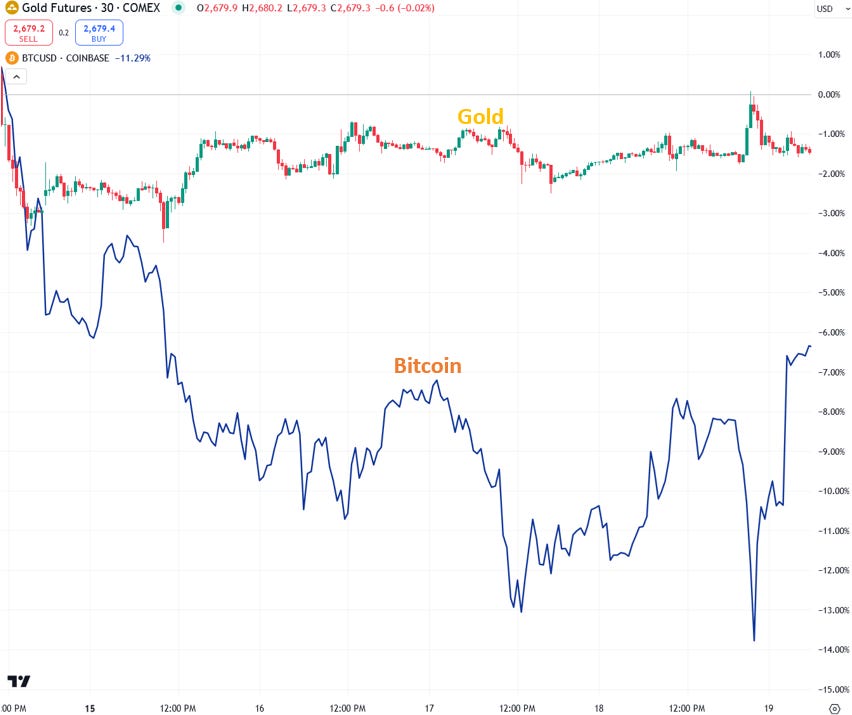
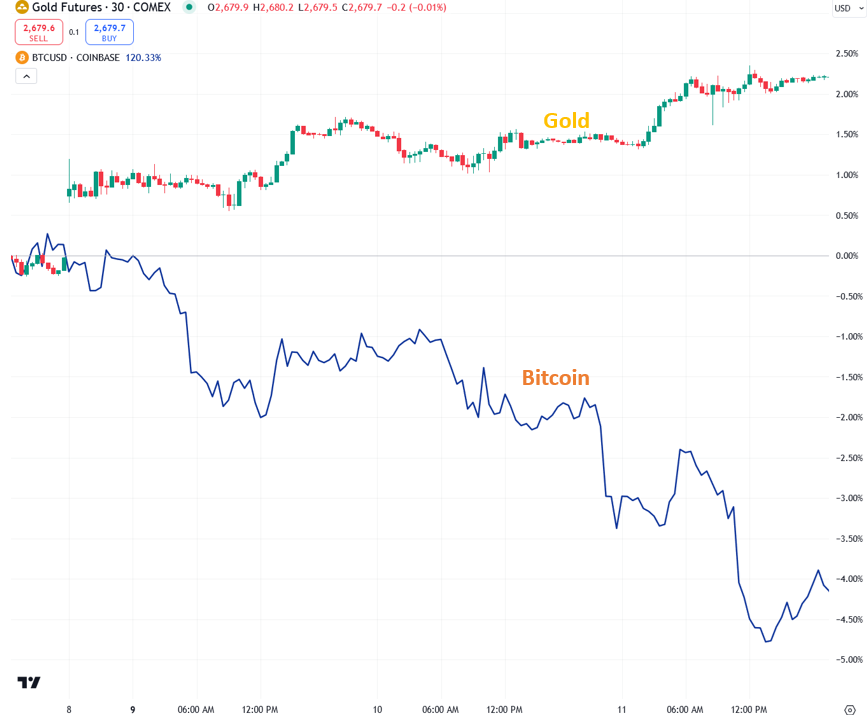
Colombo was quick to clarify that the divergence in Bitcoin and gold’s performance during crises is not an isolated occurrence. He referenced a similar situation during the April 2024 Iranian strikes on Israel, where gold surged and Bitcoin faltered. This trend was also apparent following the attacks on Israel in October 2023.
From Colombo’s perspective, Bitcoin’s behavior mirrors that of speculative assets, particularly hot tech stocks, rather than that of traditional safe havens like gold. He underscored this point by highlighting Bitcoin’s close correlation with the tech-heavy Nasdaq 100 Index, which has displayed similar price movements over the past five years. A correlation coefficient of 0.88 (out of 1) between Bitcoin and the Nasdaq 100 further cemented his view. Echoing the thoughts of Twitter user “The Great Martis,” Colombo agreed that Bitcoin behaves more like a “Nasdaq ETF” than a safe-haven asset.
Colombo raised concerns about Bitcoin’s close ties with the Nasdaq 100, especially given the U.S. tech sector’s vulnerability to a market bubble. He warned that this bubble, driven by unprecedented stimulus from the Federal Reserve, is bound to burst eventually, dragging Bitcoin down with it. According to him, the inflated price-to-sales ratio of the Nasdaq 100 is one clear indicator of an unsustainable bubble.
He also cited the disproportionate weighting of U.S. tech stocks in the S&P 500, noting that their levels have surpassed the peak of the 1999 dot-com bubble, which ended in a market crash.
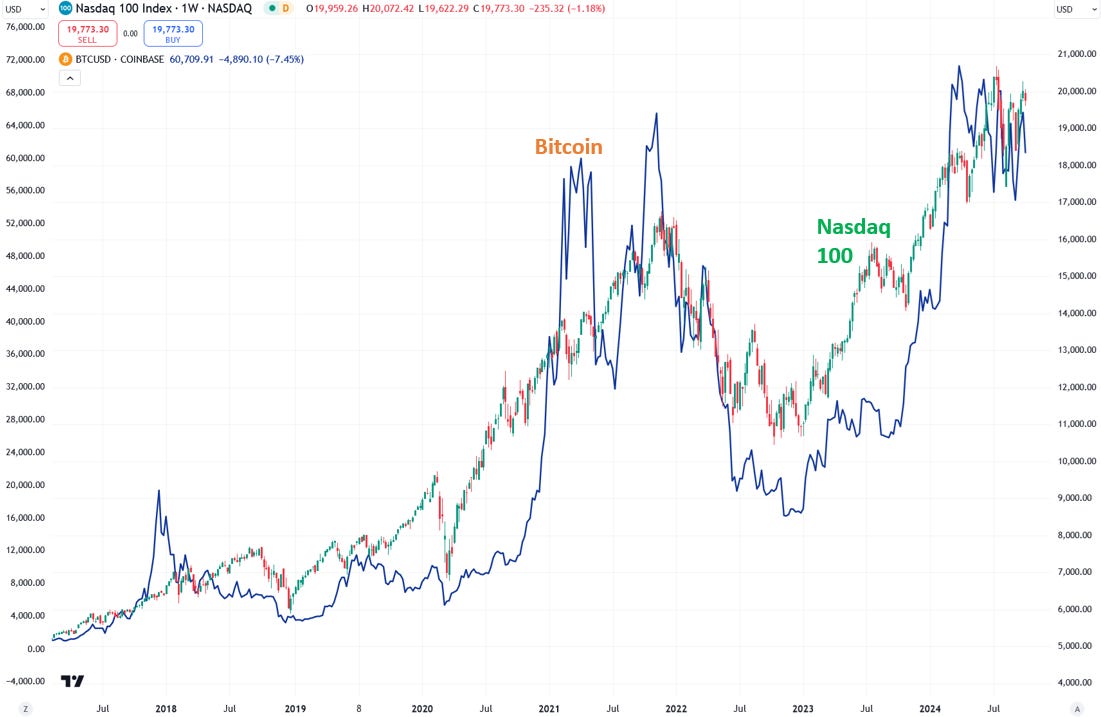
Based on this evidence, Colombo reiterated his stance that Bitcoin should not be classified as “digital gold” if it fails to behave like a true safe-haven asset. He expressed a desire to raise awareness that Bitcoin is a high-risk asset, better suited for times of prosperity than periods of crisis. He also noted that Bitcoin’s strong correlation with tech stocks is likely due to the overlap in their investor base—those who are overly confident in technology’s future. Colombo predicted that when the tech stock bubble bursts, many of these investors will be forced to sell off their assets, including Bitcoin, to cover their losses, further driving down its price.
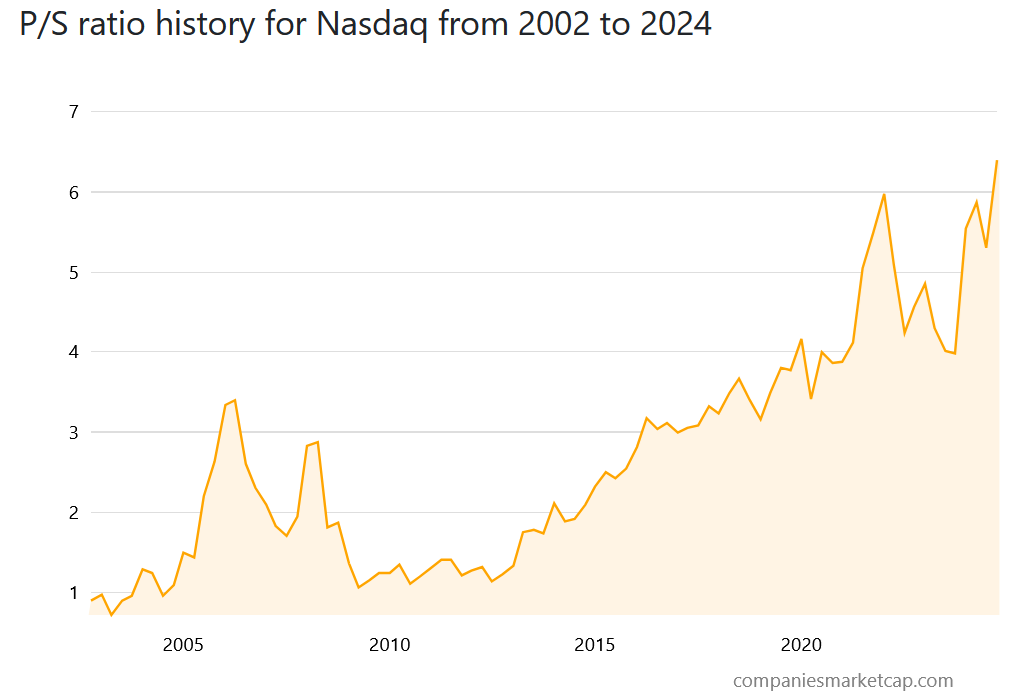
Despite this pessimistic outlook, Colombo acknowledged that Bitcoin could still experience a dramatic price surge in the future, potentially reaching $100,000 or more. However, he cautioned that such movements are speculative, and Bitcoin lacks the reliability of gold, which has a proven track record as a store of value over millennia.