


Summary
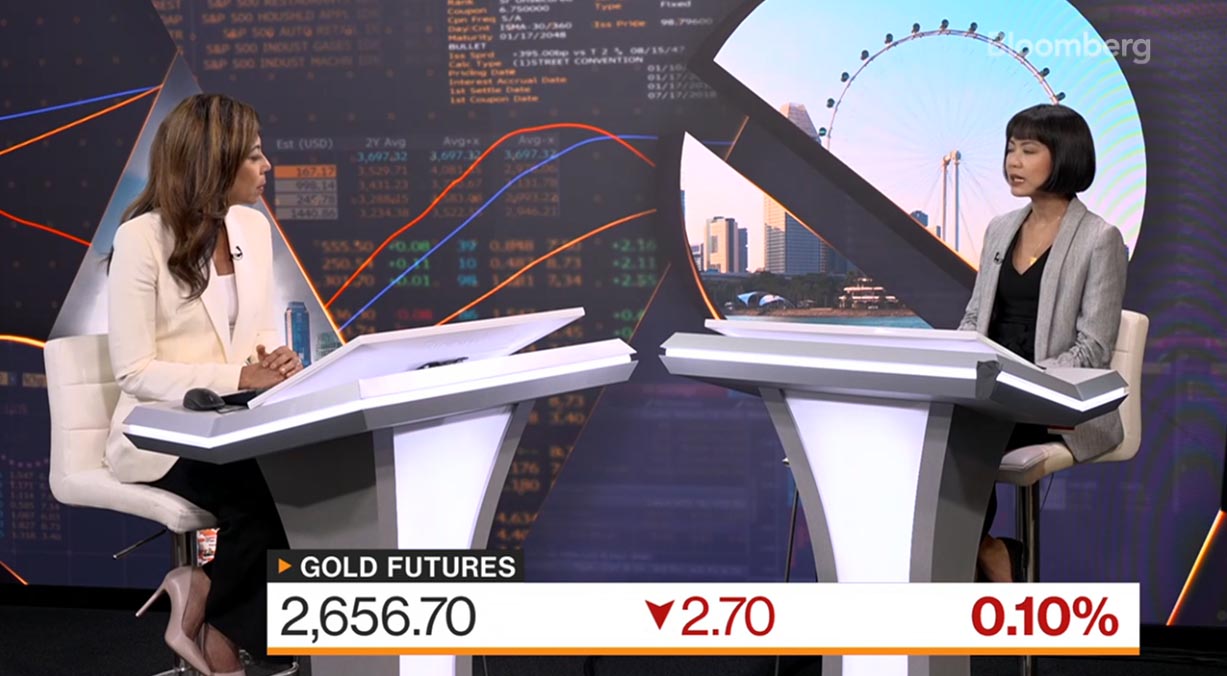
Joni Teves, precious metals strategist at UBS Investment Bank, provides valuable insights into the current state of the gold market. The interplay of real interest rates, U.S. fiscal policy, and investor positioning are key factors driving gold’s resilience in 2024. While short-term fluctuations are possible, the medium to long-term outlook for gold remains bullish, with room for further price appreciation.
For investors looking to diversify their portfolios, gold continues to be an attractive asset. The macroeconomic environment, marked by easing monetary policies and fiscal concerns, supports the case for higher gold prices. At Bullion Mart, we offer a range of gold investment products to help you navigate these dynamic market conditions and capitalize on gold’s potential as a safe-haven asset.
Investors should remain vigilant to changes in interest rates, geopolitical developments, and market positioning, but gold’s intrinsic value as a store of wealth continues to make it a compelling choice in the current economic landscape.
Click the image to watch the talk video:
Bullion Mart Expert’s Analysis
Gold’s Resilience and Investor Sentiment in 2024: Insights from Joni Teves of UBS
In a recent interview, Joni Teves, a precious metals strategist at UBS Investment Bank, shared valuable insights into the current trends and factors driving the gold market. As gold continues to assert itself as a key asset in portfolios, its performance in 2024 has been shaped by several macroeconomic factors, including interest rates, US fiscal policy, and investor positioning. This article will summarize Teves’ perspective, highlighting key elements that could influence gold prices in the medium and long term.
Real Interest Rates Drive Gold’s Price Movements
According to Joni Teves, macroeconomic factors, particularly real interest rates, remain the central drivers of gold prices. While there may be short-term reactions to major headlines, such as unexpected geopolitical events or economic announcements, the long-term movements in gold are primarily influenced by more sustainable factors like real interest rates and investor demand. As interest rates decline, gold becomes more attractive as a non-yielding asset, driving more investors to allocate a portion of their portfolios to the precious metal.
In 2024, gold has seen increased demand largely driven by this relationship with real interest rates, as well as concerns over inflation. The Federal Reserve’s easing policy has contributed to this dynamic, as lower rates reduce the opportunity cost of holding gold, encouraging investors to build positions.
Impact of the U.S. Election on Gold
The upcoming U.S. election is another significant factor that could impact gold prices, albeit indirectly. Teves emphasizes that the election itself may not be the most crucial aspect for gold investors; instead, it’s the fiscal outlook of the U.S. that could have long-term implications for gold. The consensus is that the U.S. fiscal deficit will likely worsen, regardless of who wins the election. This looming deficit has bolstered the outlook for gold, as higher deficits can weaken the U.S. dollar and prompt investors to seek safe-haven assets like gold.
While there has not been significant positioning ahead of the U.S. election specifically, Teves suggests that investors are more focused on the fiscal ramifications. A deteriorating fiscal position could lead to higher inflation and weaker economic stability, conditions that are favorable for gold in the medium to long term.
COMEX Net Long Positions and Market Consolidation
When discussing the current positioning in the gold market, Teves acknowledged that there has been a rise in short-term positions. However, she argues that the market is far from being overstretched. Historically, gold prices have reached higher levels without being overbought, and investor positioning, in Teves’ view, still has considerable room for growth.
The “buy the dip” mentality has been prevalent throughout 2024, with investors seizing any small pullbacks as opportunities to enter or expand positions. Teves suggests that this trend is likely to continue, as gold’s price movements have been sharp and upward, leaving many investors behind who are now trying to catch up. While there may be periods of consolidation, the broader positioning and fundamentals support further gains in gold prices.
The Buy-the-Dip Mentality and Investor Sentiment
A significant driver behind the surge in gold prices this year has been the persistent “buy the dip” mentality. Teves highlights how, in 2024, gold’s quick ascent at the beginning of the year caught many investors off guard. As a result, those who missed the initial rally have been eagerly waiting for any price dips to enter the market. However, the pullbacks in gold have been shallow and short-lived, prompting investors to chase the market higher.
This relentless pursuit has sustained the upward momentum for gold throughout the year. Teves believes that this sentiment is fueled by a desire for diversification. Gold serves as an effective hedge against both inflation and geopolitical risks, making it an attractive asset for investors seeking to balance their portfolios.
Gold’s Resilience Amid a Supportive Macro Backdrop
Teves is optimistic about gold’s continued strength, citing a favorable macroeconomic backdrop. She points to several factors that are likely to support gold prices moving forward. First, real interest rates are falling, and the Federal Reserve’s easing stance is expected to persist. This creates a supportive environment for gold, as lower rates decrease the opportunity cost of holding the precious metal.
Physical demand for gold remains robust, even at higher prices, a testament to gold’s enduring appeal as a store of value. Central banks around the world, particularly in emerging markets, continue to accumulate gold reserves, further underpinning demand.
Another important aspect is that investor positioning, despite the uptick in 2024, still has room for growth. The lack of significant pullbacks has forced investors to chase gold, and this dynamic could drive prices higher as market participants try to build their allocations.